
Monterey County civil court manages legal disputes between parties seeking financial compensation, property resolution, or enforcement of legal rights under California civil law. The court hears matters related to contracts, landlord-tenant conflicts, personal injury claims, debt recovery, and business disagreements. Each case follows a formal process that begins with filing legal documents and continues through hearings, motions, and judicial decisions. Residents, business owners, and legal representatives often search Monterey County civil case information to check lawsuit status, confirm hearing dates, or review filed documents connected to ongoing disputes. Civil proceedings differ from criminal matters since they focus on resolving private conflicts rather than determining criminal liability. The court system provides structured procedures that promote fairness, transparency, and equal opportunity for both parties to present evidence. Public record systems allow users to review case summaries and procedural updates, helping them stay informed about case progress without visiting the courthouse every time.
Whether a person plans to file a lawsuit, respond to a summons, or follow an active case, clear knowledge of the Monterey County civil filing process helps avoid delays and procedural mistakes. The civil division provides services that allow parties to submit required paperwork, pay filing fees, request fee waivers, and track court activity through approved online platforms or clerk office services. Each step, from preparing the complaint to attending scheduled hearings, follows court rules that shape how a case moves forward. Timelines play a major role since responses must be submitted within specific legal periods set by California civil procedure rules. Missing deadlines may affect case outcomes or lead to default judgments. Many users look for reliable information about case types, filing requirements, and record search options before starting legal action. This section presents clear explanations of civil court operations, helping users move through Monterey County civil court procedures with confidence and practical awareness.
What Are Civil Cases in Monterey County?
Civil cases in Monterey County involve legal disputes where one party seeks money or court orders instead of criminal punishment. These cases focus on resolving conflicts such as lawsuits over contracts, injuries, property issues, or financial losses through civil litigation. Civil cases in Monterey County refer to legal actions filed to settle disagreements between people, businesses, or organizations. Monterey County Court a civil lawsuit begins when one party claims harm or loss and asks the court to resolve the dispute through legal judgment. The goal centers on compensation, enforcement of rights, or correction of a legal issue rather than punishment. Courts review evidence, hear arguments from both sides, and issue decisions based on California civil law. Civil litigation gives parties a structured path to settle disputes when private negotiation fails or legal clarification becomes necessary.
Civil Cases vs. Criminal Cases
Civil and criminal matters serve different legal purposes. Civil court resolves private conflicts, whereas criminal court handles violations against public law. In civil litigation, the injured party files the lawsuit directly. Criminal prosecutions are filed by government authorities.
| Feature | Civil Cases | Criminal Cases |
|---|---|---|
| Purpose | Resolve disputes and award damages | Address law violations |
| Parties involved | Plaintiff vs. defendant | State vs. accused person |
| Outcome | Compensation or court orders | Fines, probation, or jail |
| Burden of proof | Preponderance of evidence | Beyond reasonable doubt |
Types of Civil Disputes
Civil cases Monterey County courts handle usually involve disagreements connected to money, agreements, or personal harm. These disputes arise in everyday situations involving business dealings or personal responsibilities. Each dispute type follows specific procedures and filing requirements within the civil court system.
- Contract disputes involving unpaid services or broken agreements
- Personal injury claims after accidents causing physical harm
- Property disputes between landlords, tenants, or neighbors
- Debt and financial conflicts involving unpaid balances
- Business lawsuits related to partnerships or transactions
How to Search Civil Cases in Monterey County
A civil cases Monterey County search can be completed online using the official Superior Court case lookup portal. Users can search lawsuits, court records, and case status by entering a case number or party name through the court’s public records system. Monterey County Superior Court provides a self-service online records portal where users can view civil case information filed in the county. The system allows searches for active and completed cases dating back to 2008 without creating an account.
Official site: https://www.monterey.courts.ca.gov/online-services/case-search
Civil Cases Monterey County Search
Civil Cases Monterey County Search allows users to locate lawsuit records, review court filings, and check case status through the Monterey County Superior Court online system. The search tool helps residents, attorneys, and businesses track civil litigation involving contracts, property disputes, financial claims, or personal injury matters. Users can search using a case number, party name, or filing date to find accurate results. Search results usually display hearing schedules, case type, filing details, and current status. Some records remain restricted if sealed or protected under court privacy rules.
Open the Official Court Website
The Monterey Superior Court website is the only official source for accurate court records and case status updates.
- Open any browser (Chrome, Edge, Safari, or mobile browser).
- Type the official court address directly official site: https://www.monterey.courts.ca.gov/
Go to the Case Search Portal
- Click Case Search.
- The page will display the Self-Service Records Portal.
- Select the option to open the search portal.
Select Case Type
Selecting the correct case type helps narrow results faster. After opening the search tool:
- Choose Civil from available case categories.
- Other categories may include criminal, traffic, family, or probate.
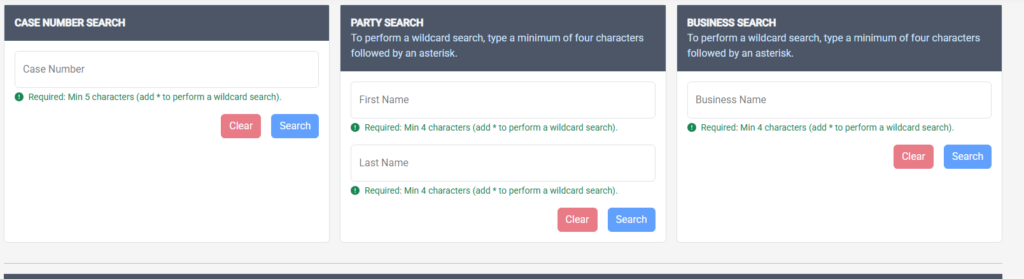
Enter Search Information
Court systems rely on identifiers such as names or case numbers to locate records within large databases. Users can search civil litigation records using one or more details:
| Search Method | Description |
|---|---|
| Case Number | Fastest and most accurate search |
| Party Name | Plaintiff or defendant name |
| Business Name | Company involved in lawsuit |
| Filing Date Range | Filters results by time period |
Submit the Search
- Click the Search or Submit button.
- Wait a few seconds for results to load.
- A list of matching civil cases will appear.
If many results appear, refine the search using additional details.
Review Case Search Results
Civil case searches provide docket-style summaries showing progress and scheduled events in the lawsuit. The results page usually shows summary court record information such as:
- Case number
- Plaintiff and defendant names
- Case type (limited or unlimited civil)
- Filing date
- Hearing schedule
- Current case status
Open Case Details
Some document images may not appear online and require clerk requests. Click a case number to view expanded information:
- Register of actions (case activity timeline)
- Hearing dates and departments
- Filed motions or updates
- Case status (active, pending, closed)
Case Categories Handled by Monterey County Civil Court
Monterey County civil court cases are divided into three main categories based on claim value and case complexity: small claims, limited civil, and unlimited civil matters. Each category follows different procedures, filing limits, and courtroom requirements. Monterey County civil court organizes lawsuits into specific classifications so cases move through the legal system efficiently. The category depends mainly on the amount of money requested and the legal issues involved. This structure helps judges assign appropriate procedures, hearing formats, and timelines for civil litigation. Knowing the correct case type helps filers choose proper forms, pay accurate filing fees, and prepare for court expectations.
Small Claims Matters
Small claims cases handle lower-value disputes through faster and simpler hearings. These matters focus on resolving disagreements without lengthy legal procedures. Small claims court usually involves financial disputes where the requested compensation falls within California’s small claims limits. Hearings remain informal, and many parties represent themselves instead of hiring attorneys. Judges review evidence quickly and issue decisions soon after the hearing date. Small claims procedures reduce paperwork and allow quicker resolutions compared to other Monterey County civil court cases.
- Unpaid personal loans
- Security deposit disputes
- Minor property damage claims
- Consumer service disagreements
- Small business payment conflicts
Limited Jurisdiction Cases
Limited civil cases involve mid-range financial claims that exceed small claims limits yet remain below the unlimited civil threshold. These lawsuits follow formal court procedures but remain less complex than high-value litigation. Limited jurisdiction cases typically involve claims up to $25,000 under California civil law. Parties may use attorneys, file motions, and conduct discovery within controlled limits set by court rules. The court applies streamlined procedures to keep litigation costs manageable.
- Contract disagreements involving moderate financial loss
- Debt collection lawsuits
- Landlord tenant conflicts involving damages
- Property repair or service disputes
Unlimited Jurisdiction Cases
Unlimited civil cases involve higher financial claims or legally complex disputes requiring detailed court proceedings. These matters often include extensive evidence, multiple hearings, and formal litigation steps. Unlimited jurisdiction applies when claimed damages exceed $25,000 or when the case involves complex legal questions. Attorneys commonly represent both sides, and litigation may include depositions, expert testimony, and jury trials. Unlimited civil matters follow comprehensive court procedures designed for detailed fact evaluation and legal decision-making within Monterey County civil court cases.
- Serious personal injury lawsuits
- Business or partnership disputes
- Construction or real estate litigation
- Class actions or complex commercial claims
Civil Case Costs and Timeline in Monterey County
Civil court fees Monterey County depend on the type of lawsuit and claim value, with different costs for small claims, limited civil, and unlimited civil cases. The civil case timeline Monterey County courts follow ranges from a few months to over a year based on procedures, dispute complexity, and court scheduling. Civil litigation in Monterey County involves both financial obligations and time commitments that parties should review before filing a lawsuit. Court filing fees follow the California statewide fee schedule applied by the Monterey County Superior Court. Extra expenses may arise during document filing, service of process, and hearing preparation stages. Case timelines vary depending on legal steps, cooperation between parties, and courtroom availability. Knowing expected fees and timeframes helps plaintiffs and defendants plan resources, prepare documents early, and follow court requirements without delays during civil proceedings.
Filing Fees and Related Civil Court Costs
Civil court fees Monterey County courts charge depend on jurisdiction level and claim amount. Filing fees represent the first required payment when submitting a complaint, and additional costs may appear throughout litigation. Small claims matters carry the lowest fees, limited civil cases involve moderate filing charges, and unlimited civil lawsuits require higher payments due to procedural complexity. Parties may request fee waivers if income meets eligibility standards approved by the court. Other expenses may include document certification, service delivery, motion filings, and optional legal representation costs that increase overall case spending.
- Service of process fees
- Certified copy requests
- Motion or court order filing fees
- Jury fees in certain cases
- Attorney or expert consultation expenses
| Case Type | Claim Amount | Filing Fee (Approx.) |
|---|---|---|
| Small Claims | Up to $1,500 | $30 |
| Small Claims | $1,500 – $5,000 | $50 |
| Small Claims | $5,000 – $10,000 | $75 |
| Limited Civil | U to $10,000 | $225 |
| Limited Civil | $10,000 – $25,000 | $370 |
| Unlimited Civil | Over $25,000 | $435 |
Civil Case Timeline and Court Process Stages
The civil case timeline Monterey County courts follow depends on dispute type, number of parties, and scheduling availability. Small claims cases usually move faster since hearings remain simplified and discovery procedures stay limited. Limited civil matters require structured filings, responses, and case management conferences that extend timelines. Unlimited civil litigation often lasts longer since cases involve extensive evidence review, motions, and possible jury trials. Settlement discussions may shorten proceedings, though contested disputes continue through several hearings before judgment. Court workload and procedural compliance strongly influence how quickly a case reaches resolution.
| Case Stage | Estimated Timeframe |
|---|---|
| Filing and Case Opening | 1–2 weeks |
| Service and Response Period | 30 days average |
| Case Management Conference | 2–4 months |
| Pre-Trial Procedures | 4–10 months |
| Trial or Final Hearing | 6–18 months total duration |
| Judgment Issued | Within weeks after hearing |
Legal Rights and Responsibilities in Civil Cases
Parties involved in civil cases have the right to present evidence and defend their claims before the court. They must follow court rules, meet deadlines, and attend scheduled hearings to keep their case active. Civil litigation in Monterey County gives both plaintiffs and defendants equal opportunity to present their side of a dispute through lawful procedures. Each party may submit documents, call witnesses, and explain facts supporting their claims or defenses during hearings or trial proceedings. Courts expect accurate filings and honest representation of facts during every stage of the case. These legal rights help maintain fairness and allow judges to make decisions based on verified evidence rather than assumptions or incomplete information.
Right to Present Evidence
Every party in a civil case has the right to present evidence supporting their position. Evidence helps the court evaluate facts and determine responsibility within a dispute. Courts accept many forms of proof, and parties must organize materials clearly before hearings. Proper preparation strengthens credibility and improves how arguments are reviewed during legal proceedings.
- Written contracts or agreements
- Photographs or video recordings
- Medical or repair bills
- Emails, messages, or letters
- Witness testimony under oath
- Financial records showing losses
Responsibility to Follow Court Rules
Civil court procedures require strict compliance with filing standards, deadlines, and courtroom conduct rules set by the Monterey County Superior Court. Parties must complete forms accurately and submit documents within required timeframes. Courts expect respectful conduct and proper communication during all proceedings. Failure to follow procedural rules may negatively affect the progress of a case.
- Filing documents before court deadlines
- Serving copies to the opposing party correctly
- Using approved court forms
- Following courtroom behavior standards
- Responding to court notices on time
Obligation to Attend Hearings
Attendance at scheduled hearings represents a mandatory responsibility in civil cases. Courts send official notices listing hearing dates, courtroom departments, or remote appearance instructions. Judges rely on participation from both parties to review arguments and issue decisions fairly. Missing a required appearance may lead to serious legal consequences affecting the case outcome.
- Appearing on scheduled court dates
- Bringing required documents or evidence
- Responding to judge questions clearly
- Following remote appearance instructions if provided
- Requesting continuances in advance when necessary
Monterey County Civil Court Main Location
The primary location for civil cases in Monterey County is operated by the Superior Court of California, County of Monterey, where most filings, hearings, and civil court services are conducted. Individuals involved in lawsuits, small claims matters, or other civil disputes typically interact with this courthouse for document submission, payment processing, and scheduled appearances. The facility provides public service counters, case information assistance, and courtroom access for civil proceedings. Visitors should verify hearing details in advance and arrive early to complete courthouse security screening and locate assigned courtrooms efficiently.
Salinas Courthouse Main Civil Division
The Salinas Courthouse serves as the central civil court division for Monterey County, handling the majority of civil filings and hearings. Court clerks assist with filing procedures, fee payments, and general case inquiries, although legal advice is not provided. Clerk of Court Public access terminals allow users to search civil case records and review filings when available. This courthouse manages small claims, limited civil, and unlimited civil matters for residents across the county. Individuals attending court should bring identification, relevant documents, and allow sufficient time for parking and courthouse entry procedures.
Address: 240 Church Street, Salinas, CA 93901
Phone: (831) 775-5400
Official Website: https://www.monterey.courts.ca.gov
Public Hours: Monday–Thursday 8:00 AM–4:00 PM | Friday 8:30 AM–12:00 PM
Frequently Asked Questions
Many people have common questions about filing, searching, and managing civil cases in Monterey County civil court. These FAQs provide clear answers about starting a lawsuit, checking case status online, required lookup details, filing costs, and court procedures after submission. Civil court processes follow structured legal rules that help resolve disputes fairly between parties. Users often look for quick information before contacting the court clerk or visiting the courthouse. The section below addresses practical concerns and helps readers understand how civil court cases move from filing to final judgment.
How do I start a civil case in Monterey County?
To start a civil case, a person must file the required legal forms with the Superior Court of California, County of Monterey civil division. The process begins by preparing a complaint that explains the dispute and the relief or compensation requested. Filing fees must be paid unless a fee waiver is approved. After filing, the plaintiff must legally serve the defendant with court documents. Once service is completed, the court schedules future steps such as responses, case management conferences, or hearings depending on the case type.
How can I search for a civil case online?
Civil cases can be searched through the official Monterey County Superior Court online case lookup system. Users access the court website and open the case search section to locate public civil records. Searches can typically be performed using a case number or party name. The online system allows users to review case status, hearing dates, and basic filing information without visiting the courthouse. Online access helps attorneys, litigants, and the public monitor ongoing litigation efficiently while reducing the need for in-person inquiries at court clerk offices.
What details are required for case lookup?
To perform an accurate civil case search, users should provide specific identifying information. The most reliable detail is the case number assigned during filing, but searches may also work using a party’s full name or business name. Some systems allow filtering by filing year or case type to narrow results. Accurate spelling improves search success and prevents unrelated results from appearing. If limited information is available, users may need assistance from the clerk’s office or use public access terminals located at the courthouse.
Are all civil cases available online?
Not all civil cases are publicly accessible through online search tools. Certain records may be sealed, confidential, or restricted due to privacy laws or court orders. Cases involving sensitive personal information, minors, or protected legal matters may show limited details or no results online. In such situations, authorized individuals may request access directly from the court clerk with proper identification. The online database primarily displays publicly available case summaries rather than full documents, ensuring compliance with California judicial privacy and security regulations.
How much does it cost to file a case?
The cost of filing a civil case in Monterey County depends on the case category, such as small claims, limited civil, or unlimited civil matters. Filing fees generally increase with the amount of money involved in the dispute. Additional expenses may include service of process fees, document certification charges, and motion filing costs. Individuals who cannot afford court fees may apply for a fee waiver by submitting financial eligibility forms. The court reviews these applications and may reduce or eliminate required payments for qualified applicants.
What happens after filing a lawsuit?
After a lawsuit is filed, the defendant must be formally served with the complaint and summons. The defendant then has a legal deadline to submit a response to the court. Following this stage, the case may enter pre-trial procedures such as discovery, settlement discussions, or case management conferences. Courts often encourage resolution before trial through negotiation or mediation. If no agreement is reached, the case proceeds to a hearing or trial where a judge or jury reviews evidence and issues a final judgment resolving the dispute.